
Few habits have as broad an impact on a child’s development as reading. It’s no coincidence that, time and again, education research shows that reading improves learning in almost every academic area, not just language. Understanding why can help families make reading a daily priority, not just one more school task.
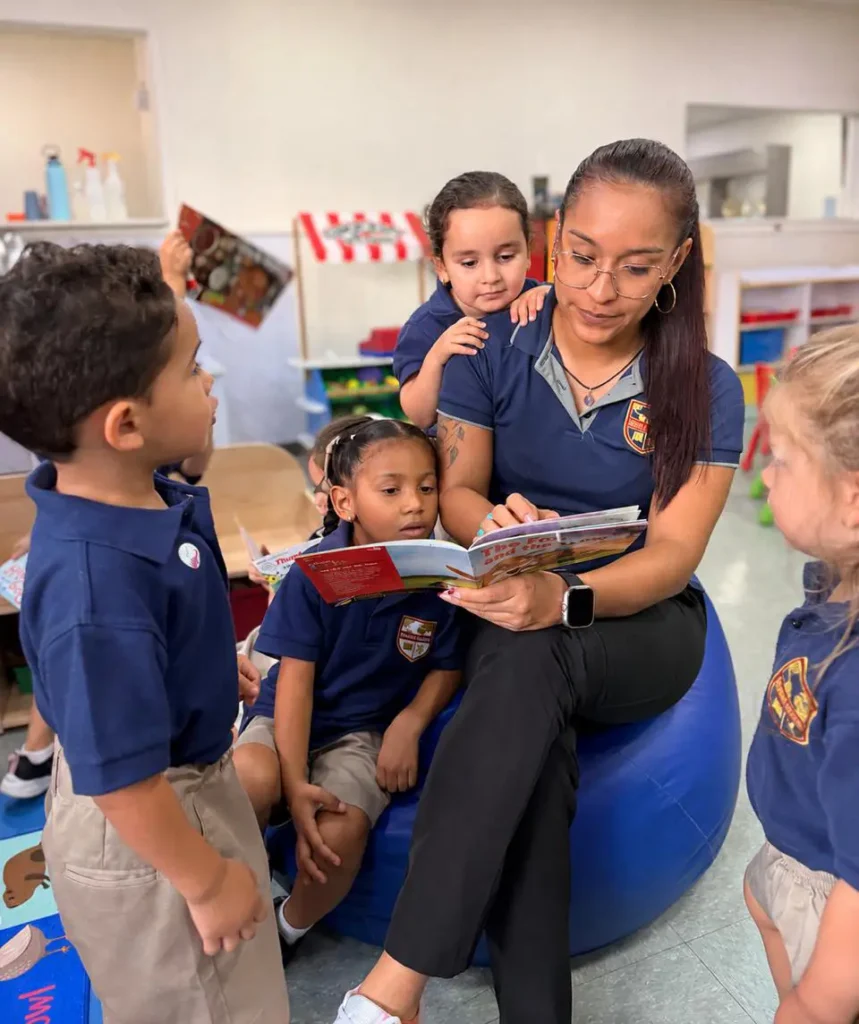
It Expands Vocabulary and Language Comprehension
Every book a child reads exposes them to words, sentence structures and ways of expressing ideas that rarely come up in everyday conversation. That richer vocabulary doesn’t stay in language class. It helps children understand instructions in math, interpret problems in science and follow complex explanations in any subject.
It Builds Critical Thinking
A good reader doesn’t just decode words. They infer, predict, question and connect what they read with what they already know. These critical thinking skills, practiced page after page, are exactly what a student needs to analyze a historical text, interpret a science graph or argue a position in an essay.
It Strengthens Focus and Memory
Reading asks the brain to hold attention for minutes at a time, connect ideas across paragraphs and remember details from earlier pages to make sense of the story. This steady practice strengthens working memory, the same memory children use to solve equations, follow multi-step instructions or recall what they learned the week before.
It Builds Empathy and Emotional Understanding
When children step into the lives of characters who are different from them, they practice seeing things from someone else’s point of view, understanding motives and recognizing emotions. The empathy that fiction trains turns into better social skills, inside and outside the classroom.
It Lays the Groundwork for Every Future Subject
At its core, reading comprehension is the skill behind all the others. A student who reads well understands a math problem better, follows a science experiment better and writes a stronger history essay. Investing in the reading habit early is investing in the next twelve years of academic performance.
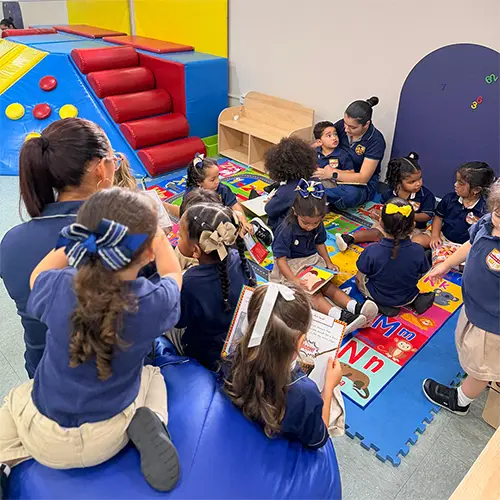
The DEAR Method: 15 Minutes a Day That Make a Difference
One of the simplest and most effective ways to build a reading habit is the DEAR method (Drop Everything And Read). The idea is simple: every day, at the same time, the whole class, teachers included, stops for 15 minutes to read a book of their choice in silence. No grades, no reports and no comprehension questions.
Why does it work so well? Because it separates reading from academic pressure and turns it into a calm, enjoyable moment in the day. Repeated daily, those 15 minutes add up to many hours of reading over the school year, and children start to see reading as their own pleasant time, not one more chore.
Consistency is the key to DEAR. It isn’t about long, occasional sessions. It’s a short, predictable ritual that, kept up over time, builds reading fluency, expands vocabulary and reinforces exactly the cognitive benefits described above.
How to Encourage Reading at Home
- Read aloud with your child every day, even after they can read on their own.
- Let them choose their own books based on their interests, without pushing a “level” or “difficulty.”
- Make reading a time to connect, not a punishment or an obligation.
- Be a role model: let your children see you read too.
- Bring the spirit of DEAR home: pick a set time each day and, for 15 minutes, have the whole family “drop everything and read” together, each person with their own book.
Reading at the Heart of Our Academic Program
At Howard Academy, we know reading improves learning across the board. That’s why we practice DEAR (Drop Everything And Read) every day: 15 minutes devoted only to reading, in several languages, with libraries designed to spark each student’s curiosity. We invite you to learn about our reading program and visit our campus in Panamá Pacífico.