
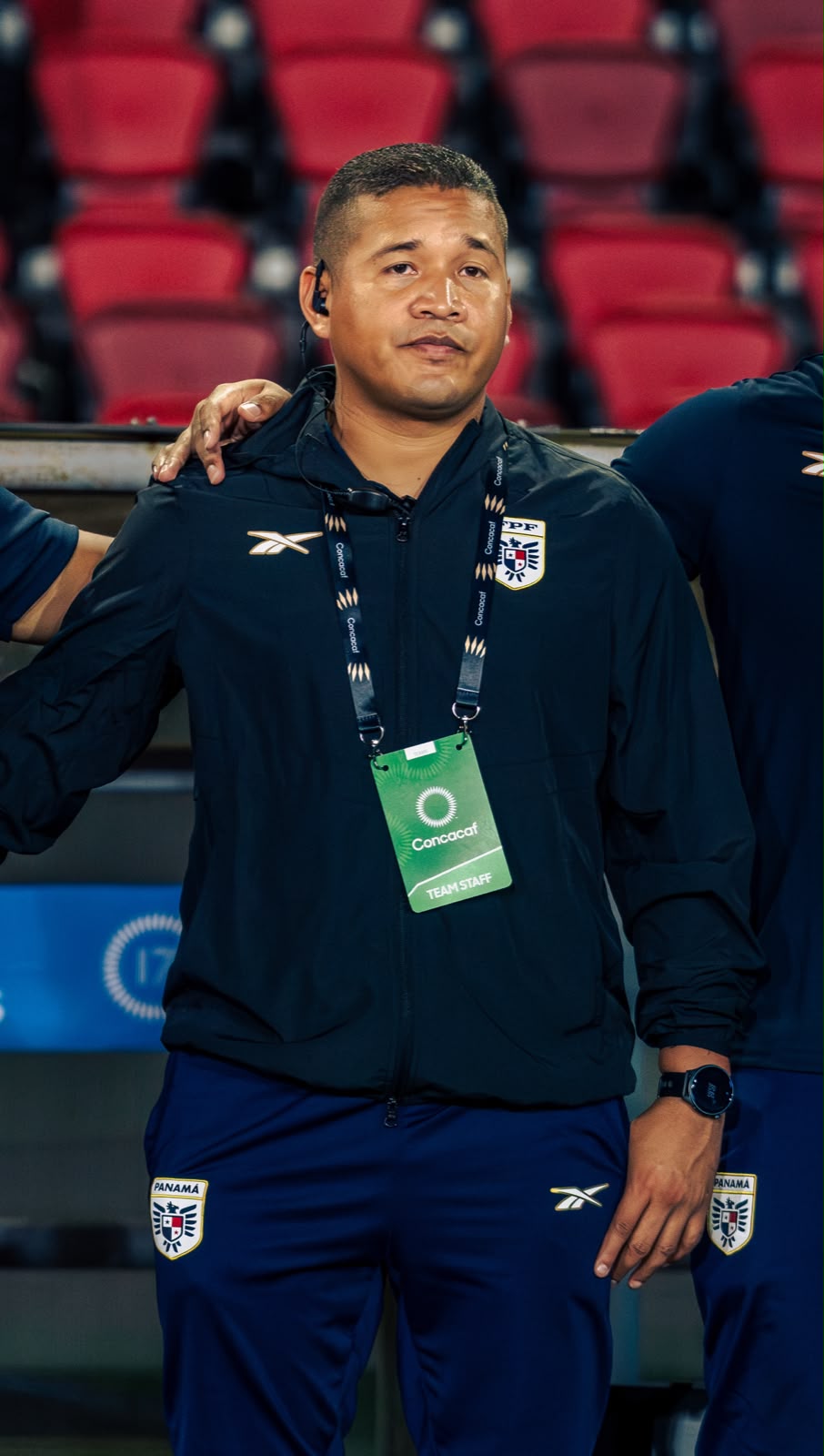
Besides leading the Howard Academy team, you’re part of the coaching staff of Panama’s youth national teams. How do you bring that experience into our students’ development?
Being part of the national teams’ coaching staffs has given me experiences that I then share with the young players. We try to pass on values and give them proper training, with practices and content adapted to each stage of their development. I also share what I’ve lived in and outside the country, especially in competitions with Panama’s youth national teams.
1. Last year, Howard Academy won the championship. What did that win mean for the players, the coaching staff and the school community?
Winning last year’s championship and recently finishing as runners-up helped the players believe more in themselves. These experiences built their confidence and gave extra motivation to them and to their parents. We’ve always had the school’s backing, and it was a very positive experience, with the whole Howard Academy community united behind the team.
2. What do you see as the athletic and human keys that led the team to win that championship?
One of the most important things was team unity, the boys’ commitment and the parents’ constant support. Friendship and a sense of family grew stronger within the group. Even though we were few, we all shared the same goal and achieved great results thanks to that unity and the effort we put in during the semester.
3. Beyond competing and winning, what does soccer mean for children’s and teens’ emotional, physical and social development?
Soccer has become a lifestyle for the boys, because it’s not only school activities but also training and experiences outside of school. Emotionally, it has helped them improve their self-esteem and trust their own abilities more.
It has also helped them get in better shape, meet new people and travel to other places to compete. On top of that, it has built a stronger connection among the players and their families, strengthening relationships, teamwork and a sense of school community.
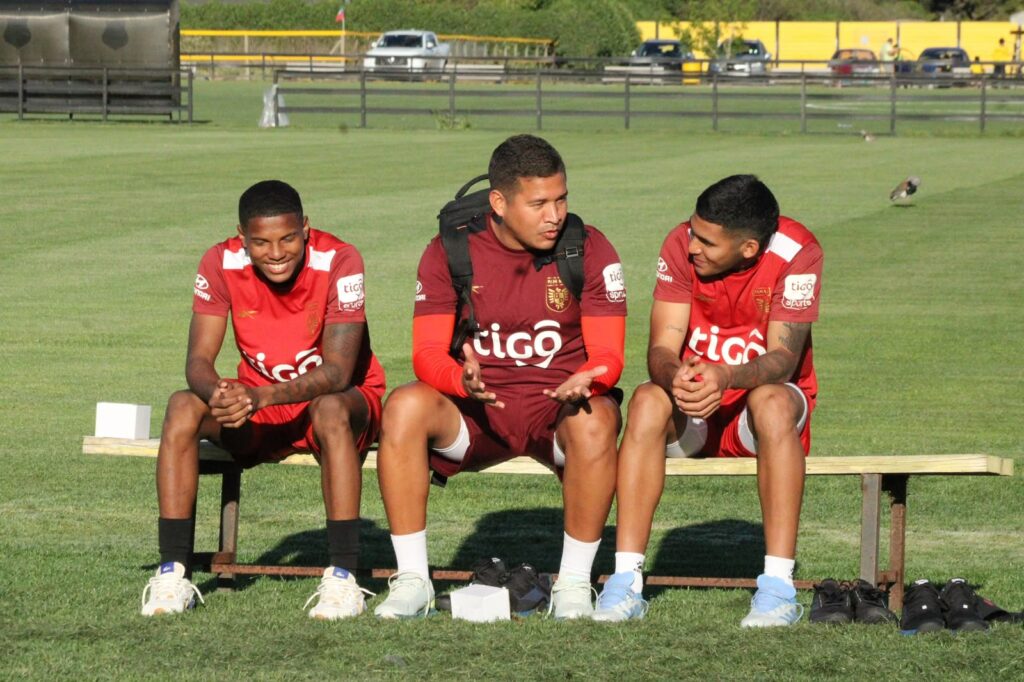
4. What values do you aim to build in students through practices, games and team life?
One of the main values we work on is respect, especially in a society where we need to work to prevent things like bullying. Within the team, we try to treat each other like family and support both new players and those who’ve been here longer.
We also promote values like punctuality, being honest with yourself, commitment and teamwork.
5. How can parents and the school support students’ athletic growth without neglecting their academic education?
Parents play a key role. They stay in constant contact with the coaching staff and help us when their children are going through a hard time or need guidance. They also show their commitment by bringing them to practice and joining the team at away events.
Their support has been constant. Still, we always make it clear that academics come first. The players need to keep up with their school responsibilities to keep moving forward in sports too.
6. After winning the championship, what are the next challenges and goals for Howard Academy soccer?
The main challenge for the team and the school is to keep competing at the highest level. We also want to develop youth academies starting at age eight, to identify and develop talent early.
We want to stay competitive and take part in the best tournaments in the country, offering players a continuous development path.
7. A few days ago, the team finished as runners-up. How do you assess its performance, and what were the main lessons from this experience?
Overall, it was very positive. The team played well, and one of the biggest lessons was cementing our style of play and our commitment to always doing things right.
We also showed great mental strength. Even though we didn’t win the title, we finished happy with the work we did. Every practice had a purpose and a direction, and that let us compete and play well.
8. How do you work on the players’ emotional side so they understand that reaching a final is also growth, even when the result isn’t what they hoped for?
It’s important to talk with the boys often and help them understand that in soccer you don’t always win. Even players like Lionel Messi have lost big games and championships, but they always try again.
We also need to teach them to be good people and take away excess pressure, so they can enjoy the sport and don’t end up quitting because of outside frustrations. When a player has given everything, there’s nothing to regret. That’s the path we need to follow.
9. From your experience developing new talent, what qualities do you look for in a student with the potential to grow and one day represent Panama?
A good education and solid academic training are essential to understand and apply all the information players receive in soccer. Values like commitment and respect are also essential.
What a player does off the field can matter even more than what they do on it. They need to take care of themselves, eat well and work responsibly. When good habits come together with talent, you can go very far.